
October 14-15, 2026
Bangkok and On-Demand
Every three years, the World Bank and International Monetary Fund annual meetings leave Washington. In October 2026, they're heading to Bangkok. The Asian region as host brings a different vantage point to these debates. It is where new financial institutions are rising, new development models are being tested, and new voices are demanding a seat at a table they increasingly help fund. And after decades of building health systems, infrastructure, and economies under real resource constraints, the region has blueprints for progress that the rest of the world is paying close attention to.
Finance ministers and policymakers, MDB and private sector leaders, philanthropies and social enterprises, investors and innovators, and civil society will converge on Bangkok for a week that will shape the direction of the global economy — and global development along with it.
Devex Impact House will be there, too, bringing our signature live journalism and convening to Bangkok on Oct. 14–15. Because the conversations that matter most right now aren't always happening in plenary halls.
Devex journalists will lead live interviews, high-level discussions, and curated roundtables, alongside the informal conversations and connections that make Devex Impact House the place to be during annual meetings week.
Interested in partnering?
Contact us here.Oct. 14–15, 2026 · This agenda is still evolving. Check back for updates on speakers and sessions.
In partnership with Open Society Foundations
Speaker details coming soon.
More speaker announcements coming soon.
Speaker details coming soon.
Check back for more updates!
Director, Institute for Development of Economics and Finance
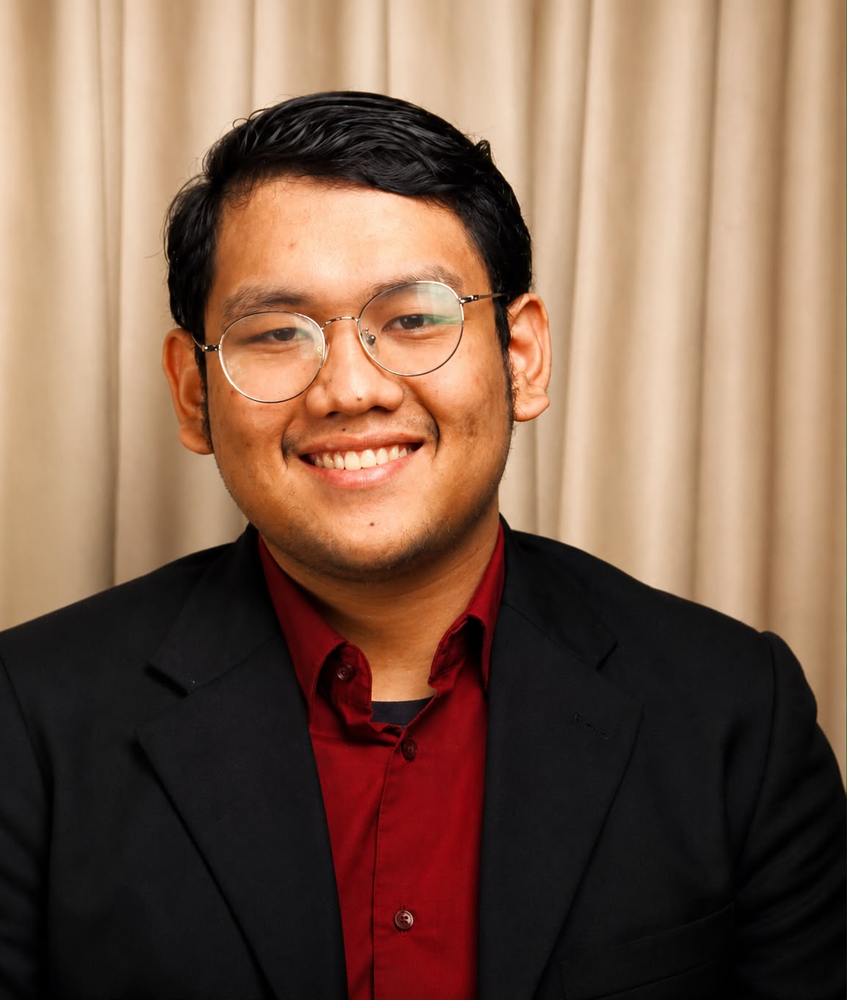
Executive director and lead economist, Industrial Policy Lab Indonesia
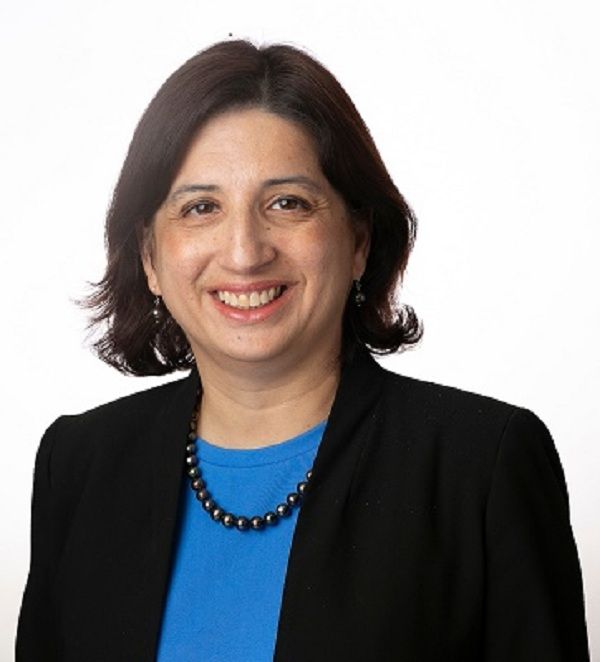
Managing Director, JPMorgan
Chief economist, ITUC-Africa and executive director, Africa Labour Research and Education Institute (ALREI)
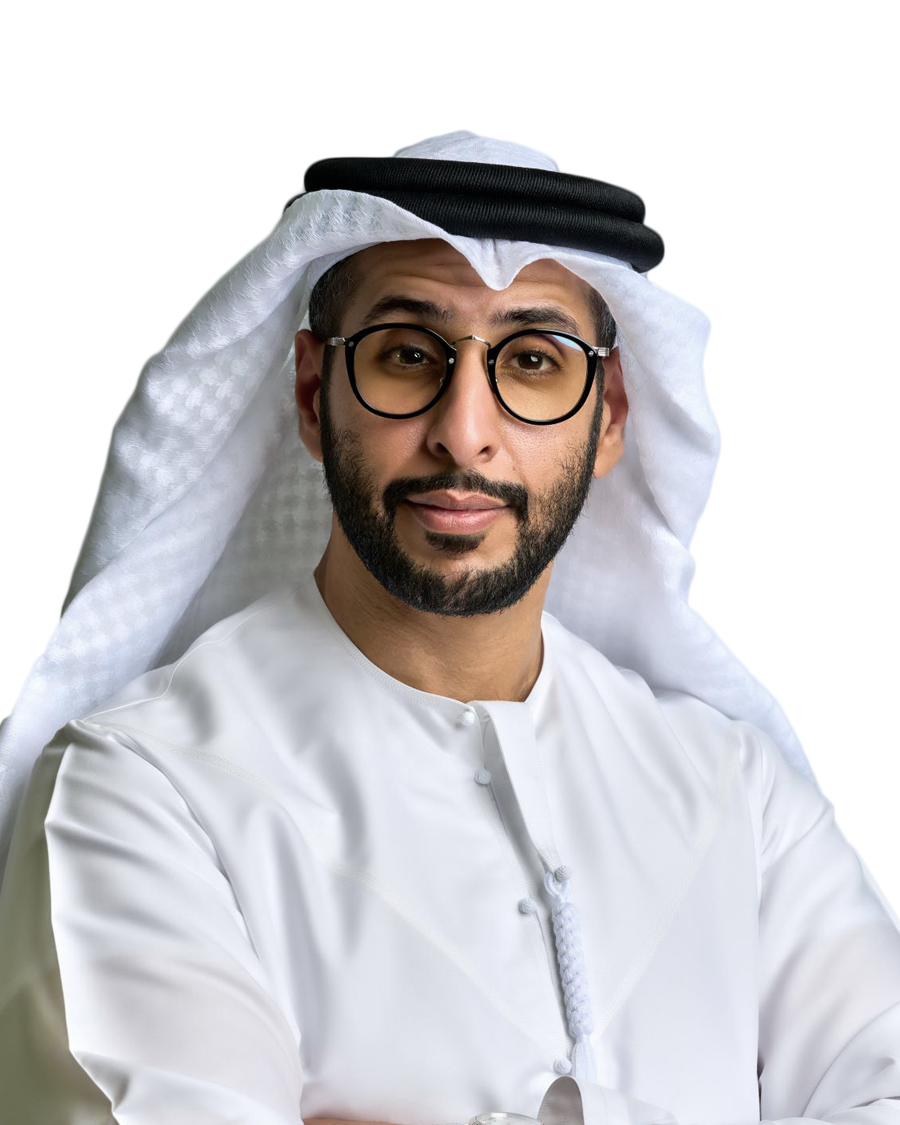
Assistant minister of foreign affairs for energy and sustainability, UAE Ministry of Foreign Affairs
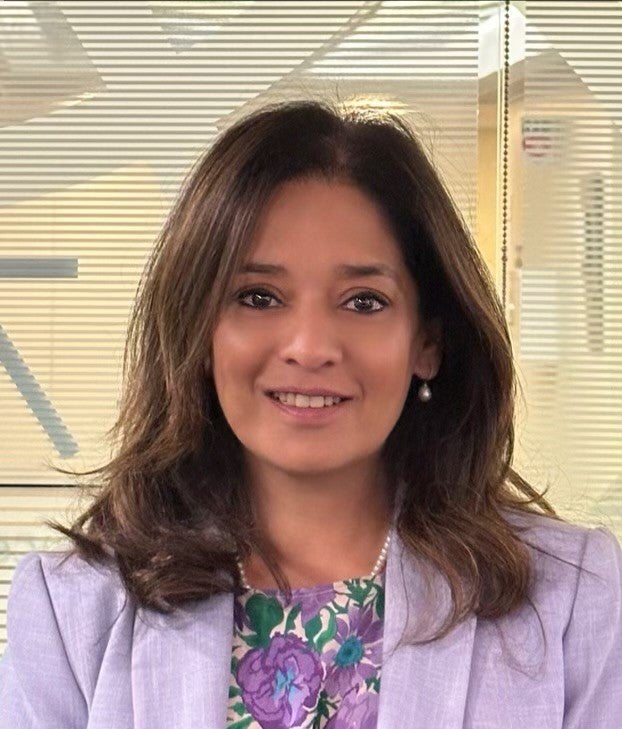
Executive head, The Pandemic Fund
Founder and CEO, Windfall Trust
Executive director, Argidius Foundation
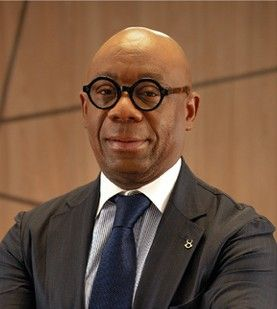
President, BOAD (West African Development Bank)
Director of the group strategy office, World Bank Group
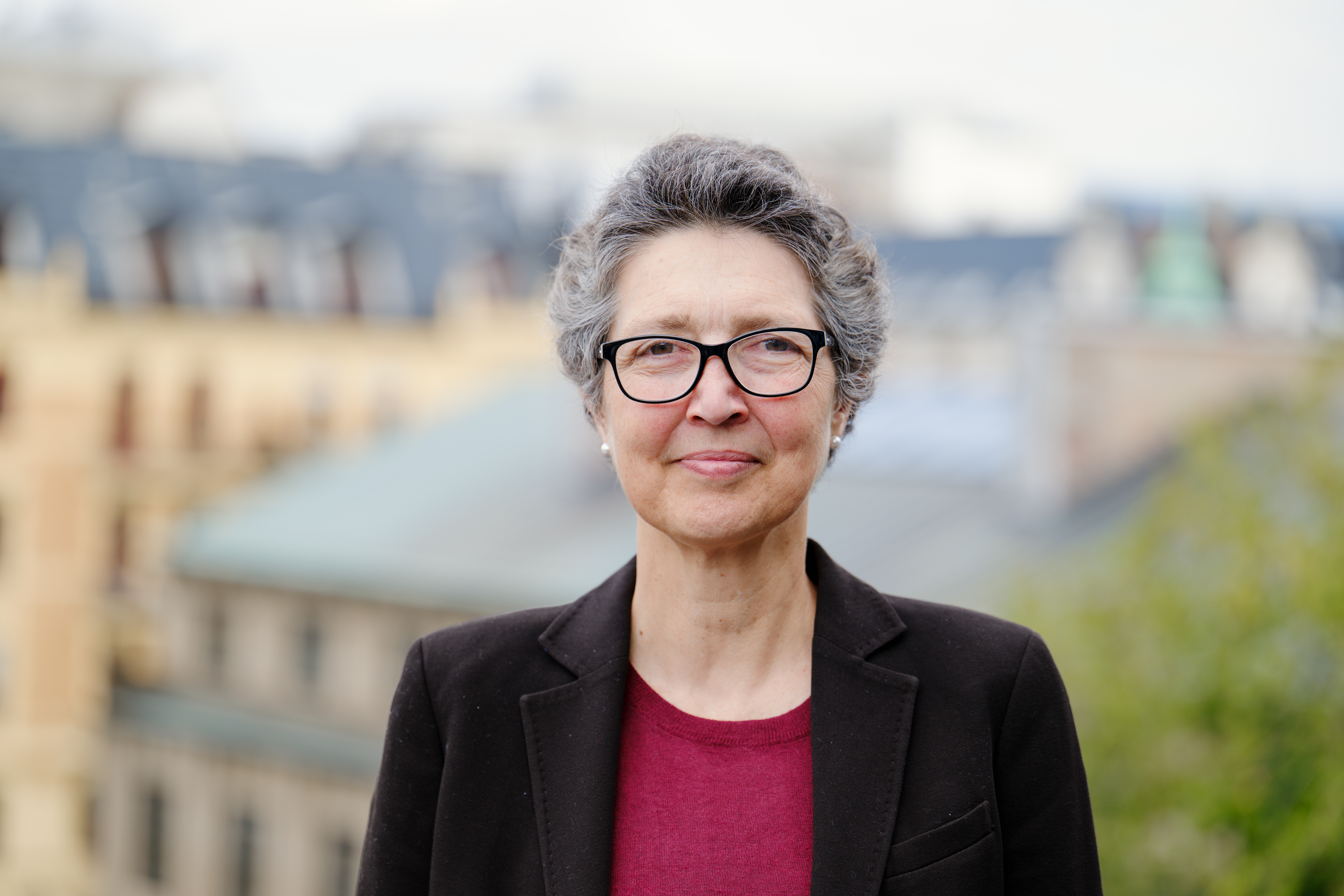
President, Center for Global Development
President, Inter-American Development Bank Group
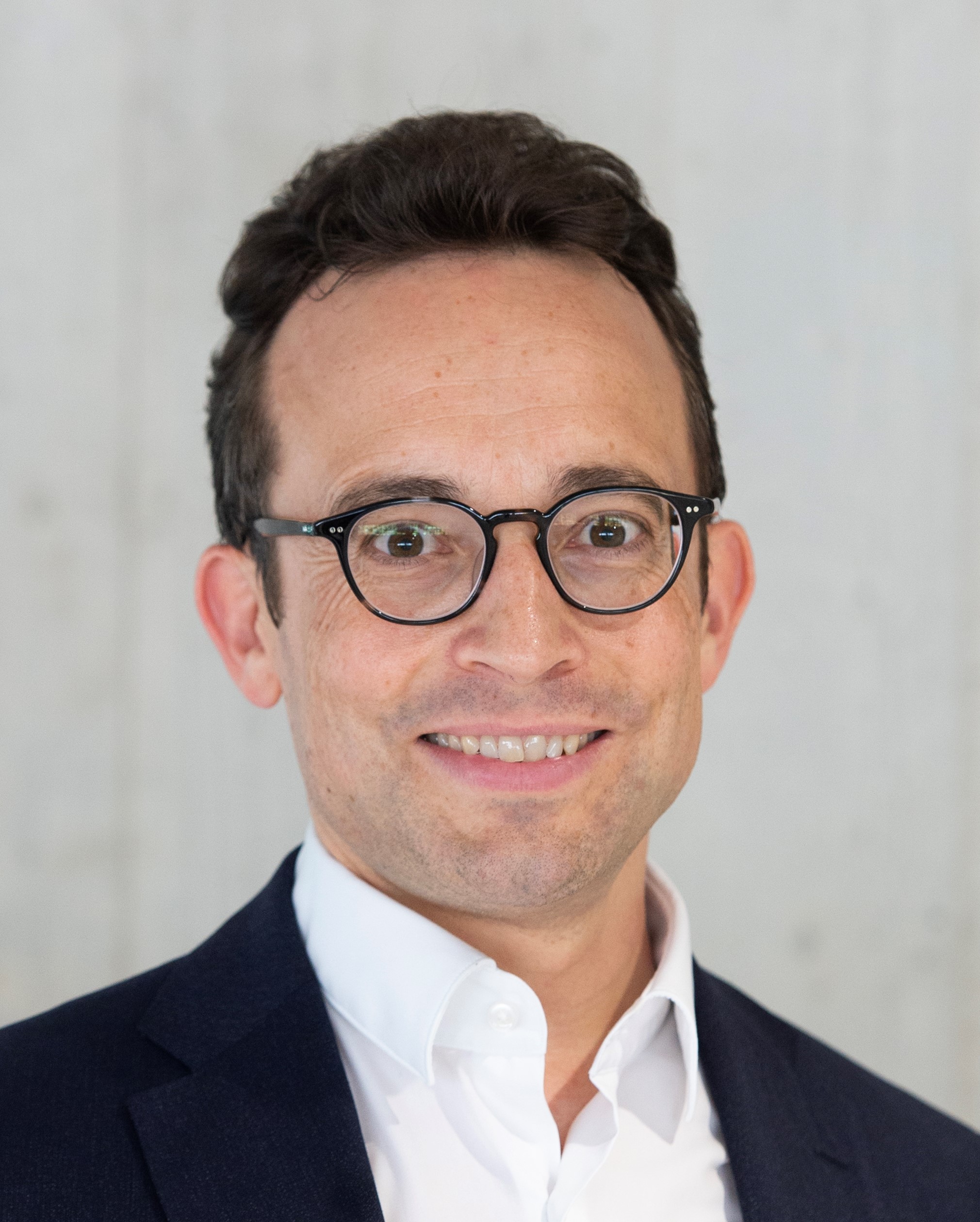
Head of Tokyo office, World Health Organization
President director/chief executive officer, PT Indonesia Infrastructure Finance (IIF)
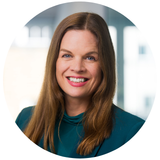
CEO, Children's Investment Fund Foundation
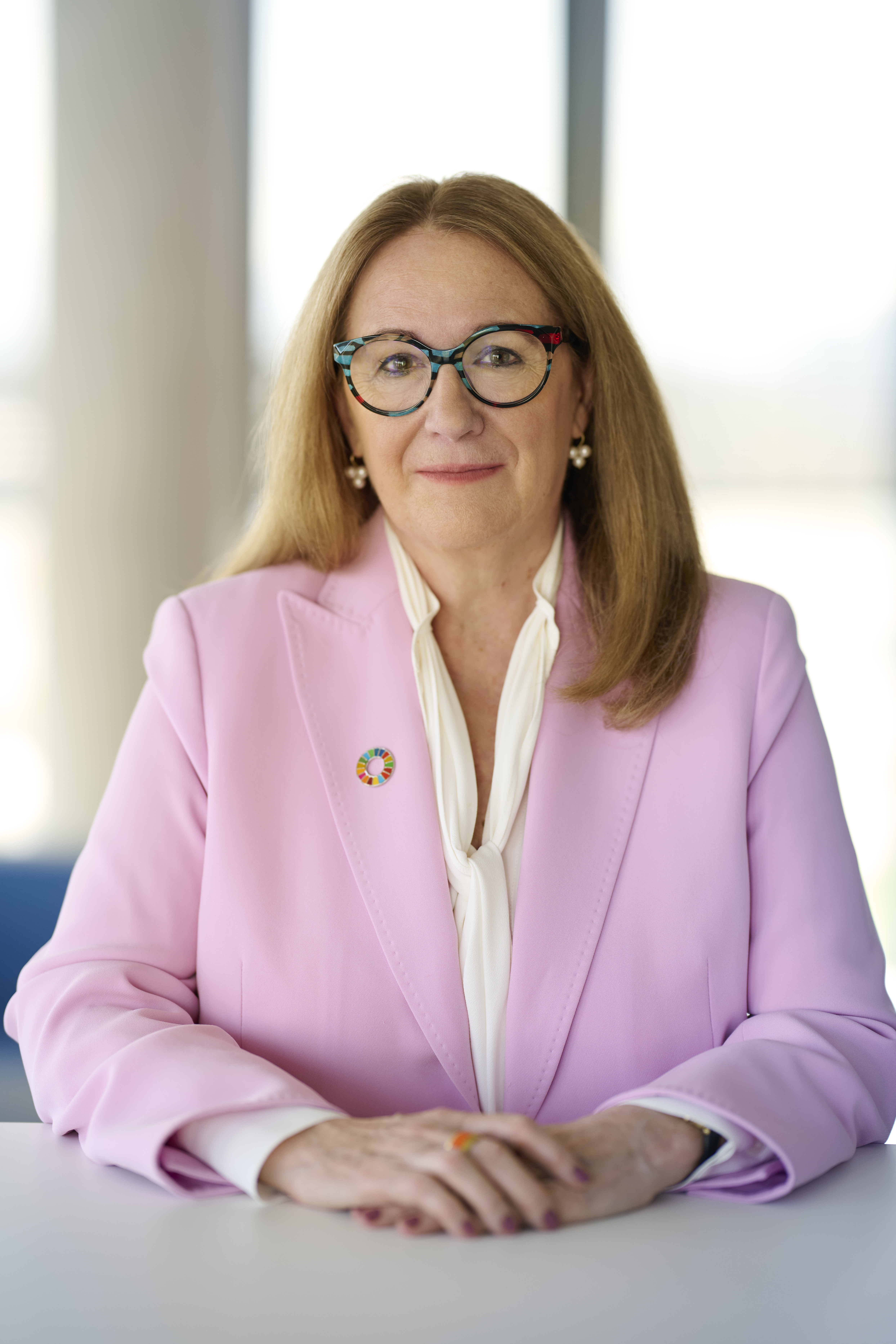
Managing director, GIZ
Director for farming and agribusiness, World Bank Group
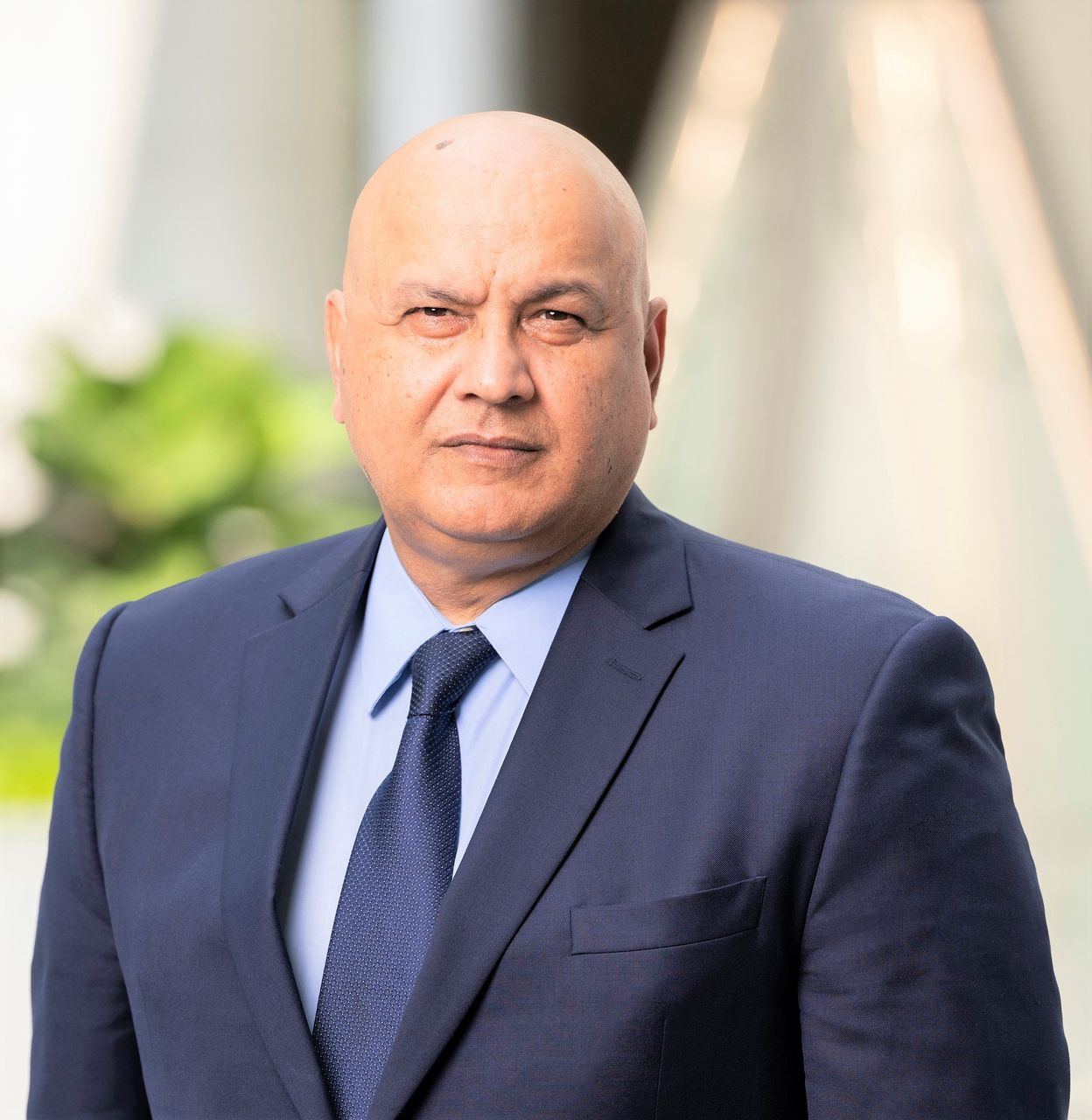
Global director, World Bank Group's Water Department
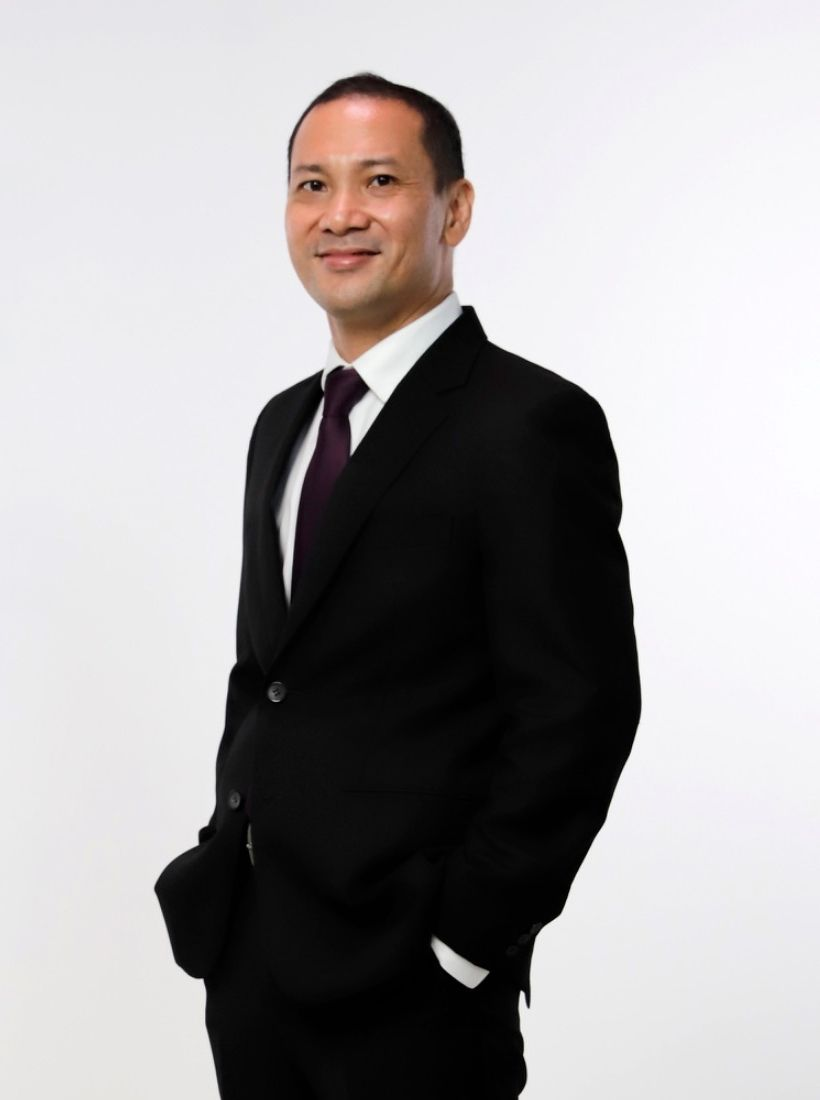
Managing director of development investment, PT Danantara Development Management Fund (DDMF)
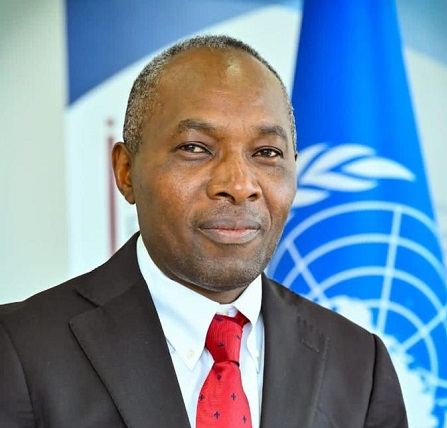
Director of the macroeconomics and governance division, United Nations Economic Commission for Africa
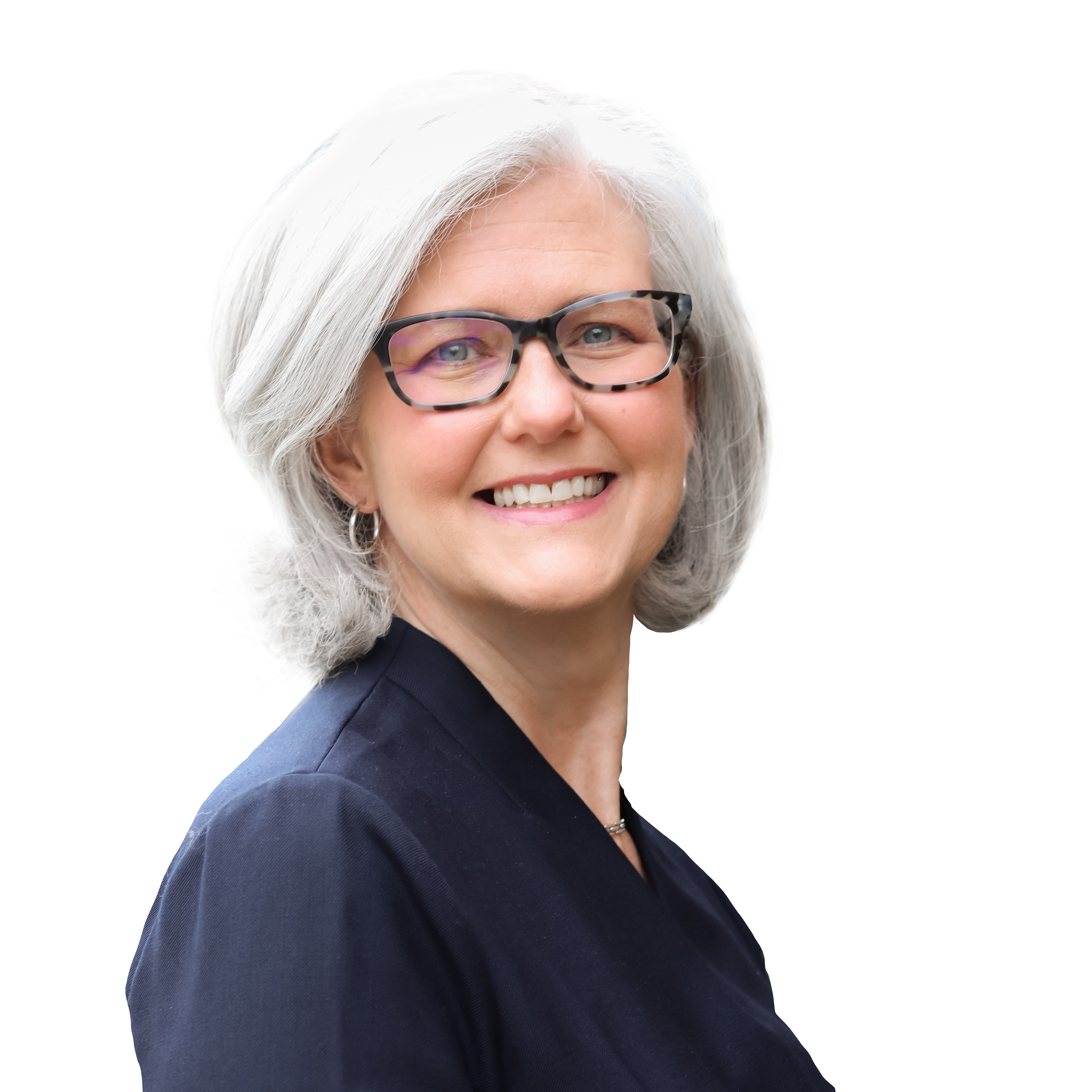
CEO, FinDev Canada
Strategic area leader, CEE Bankwatch Network
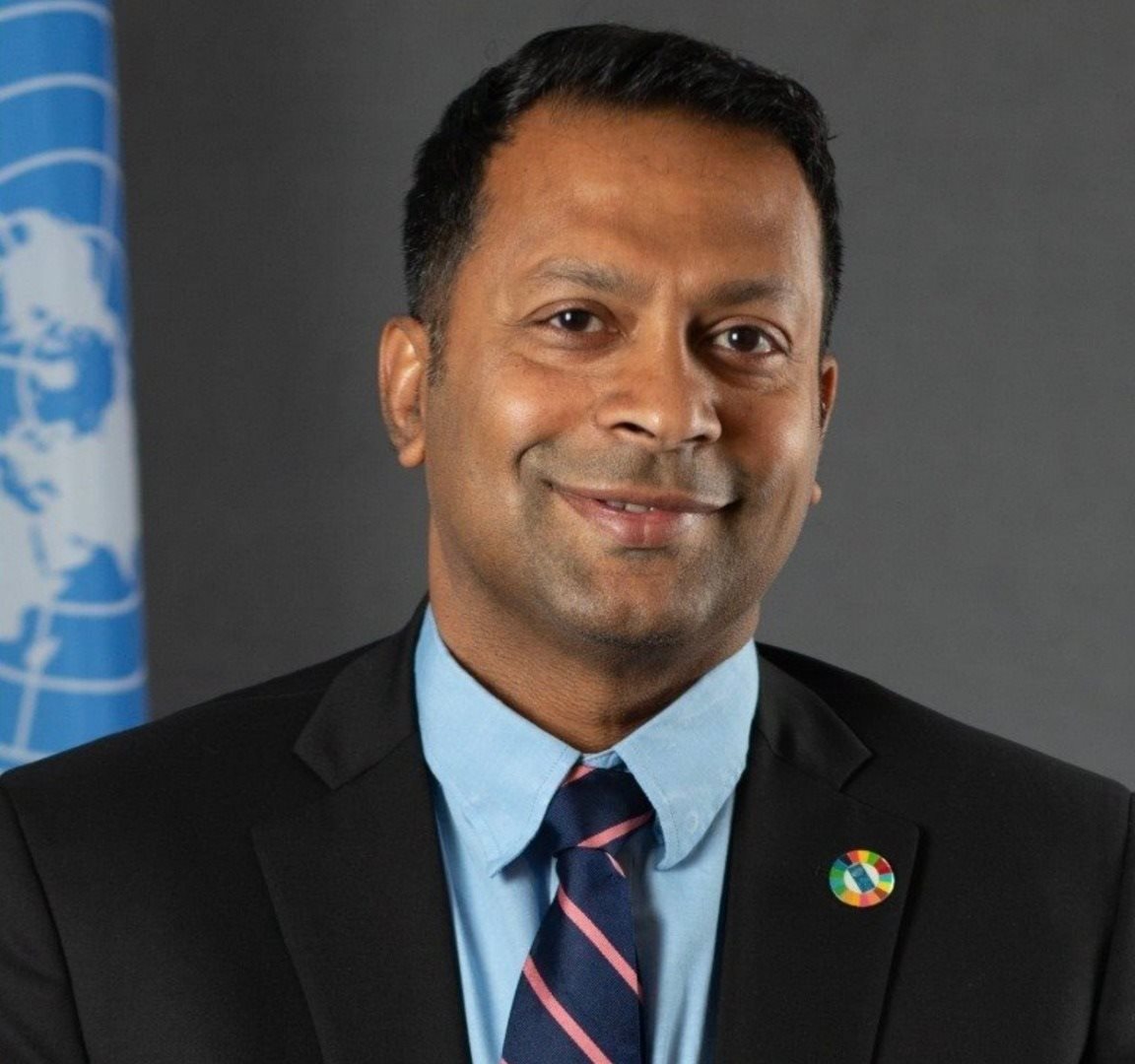
Executive secretary, United Nations Capital Development Fund
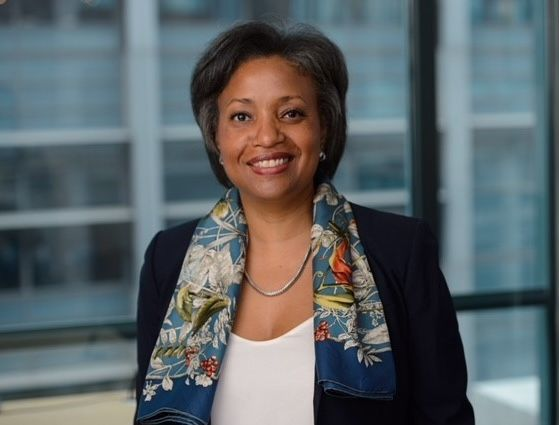
Head of secretariat, Future of Development Cooperation Coalition
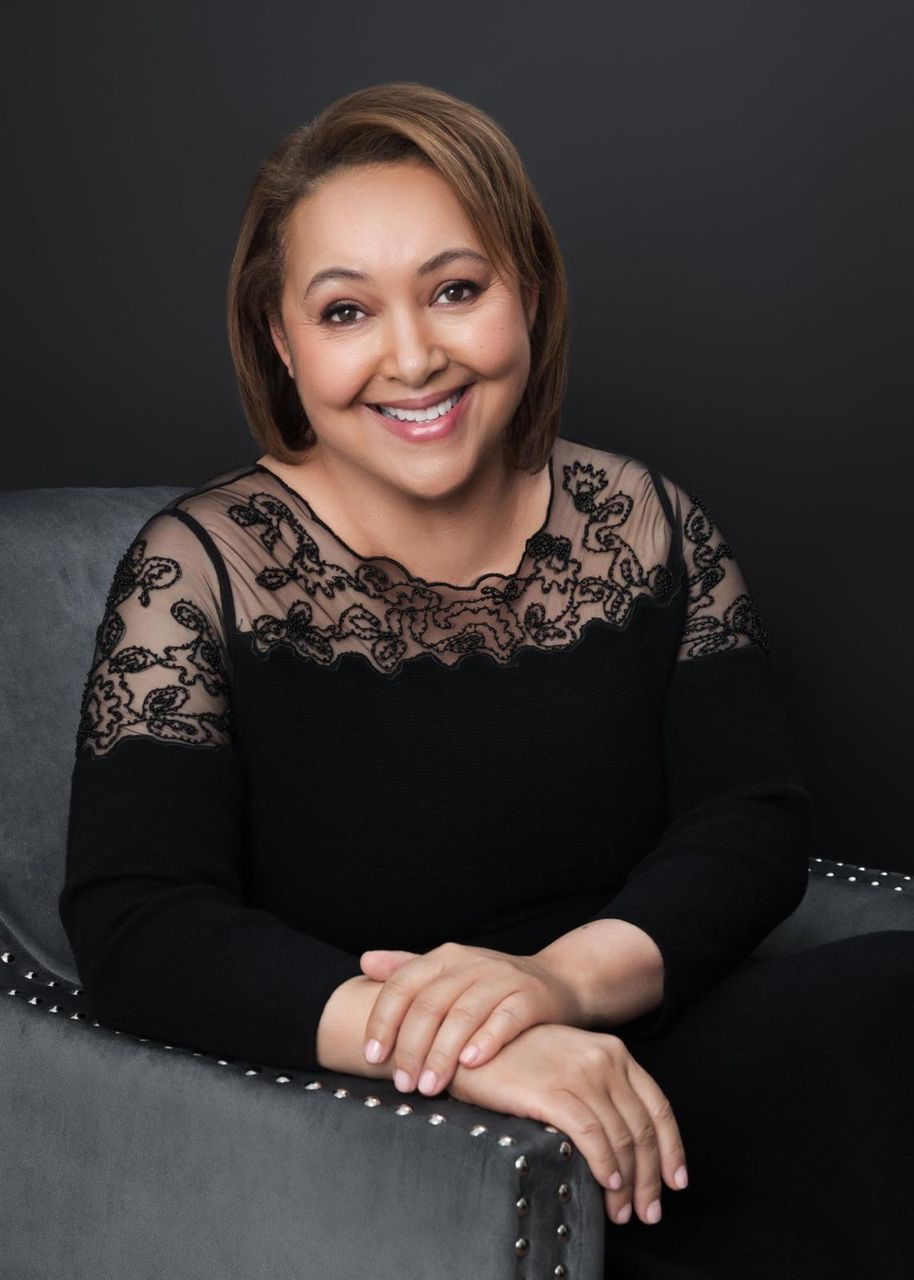
CEO and senior partner, SouthBridge Investments

Global Communications Expert, Public Digital
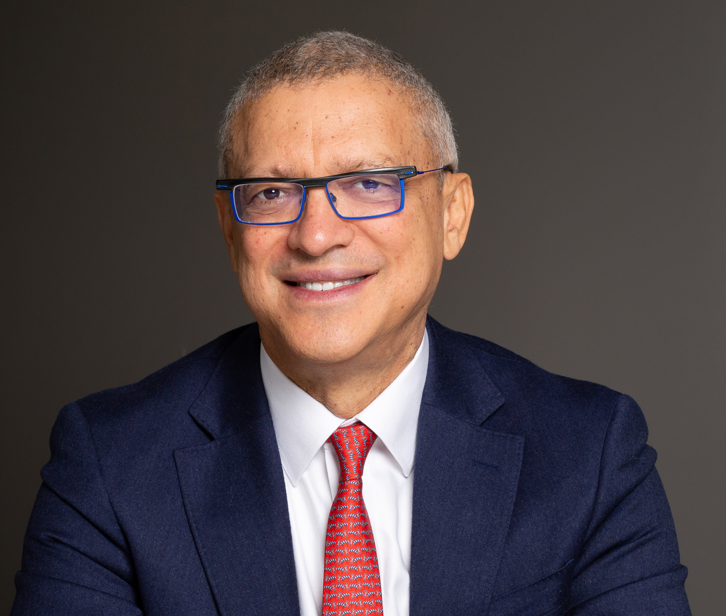
Chief Executive Officer, British International Investment
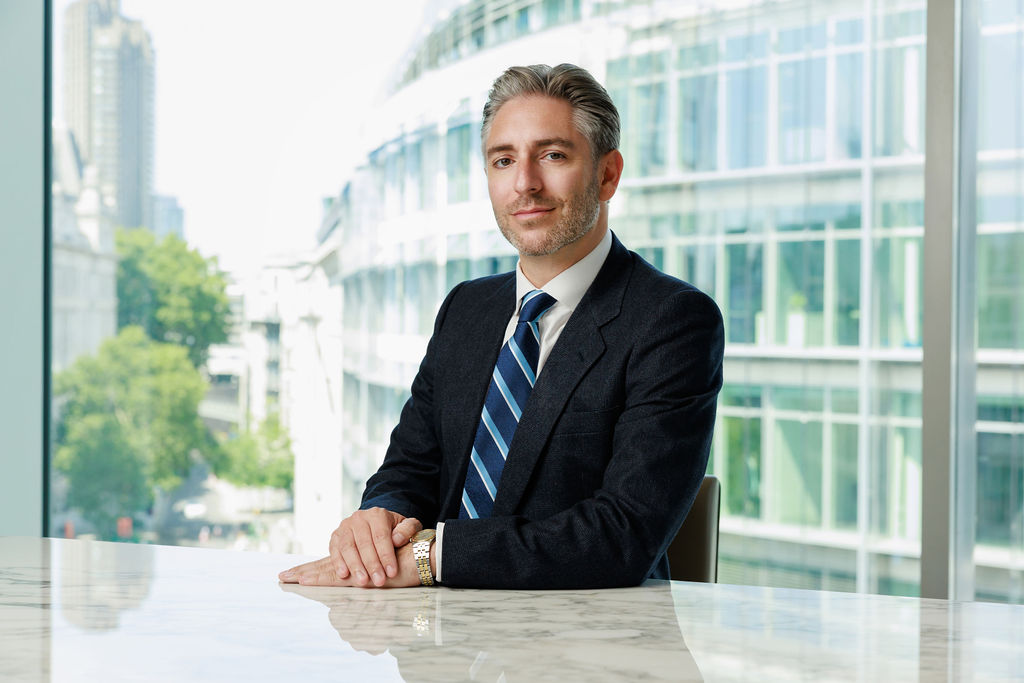
CEO, African Risk Capacity Limited
Secretary-general, African Continental Free Trade Area Secretariat
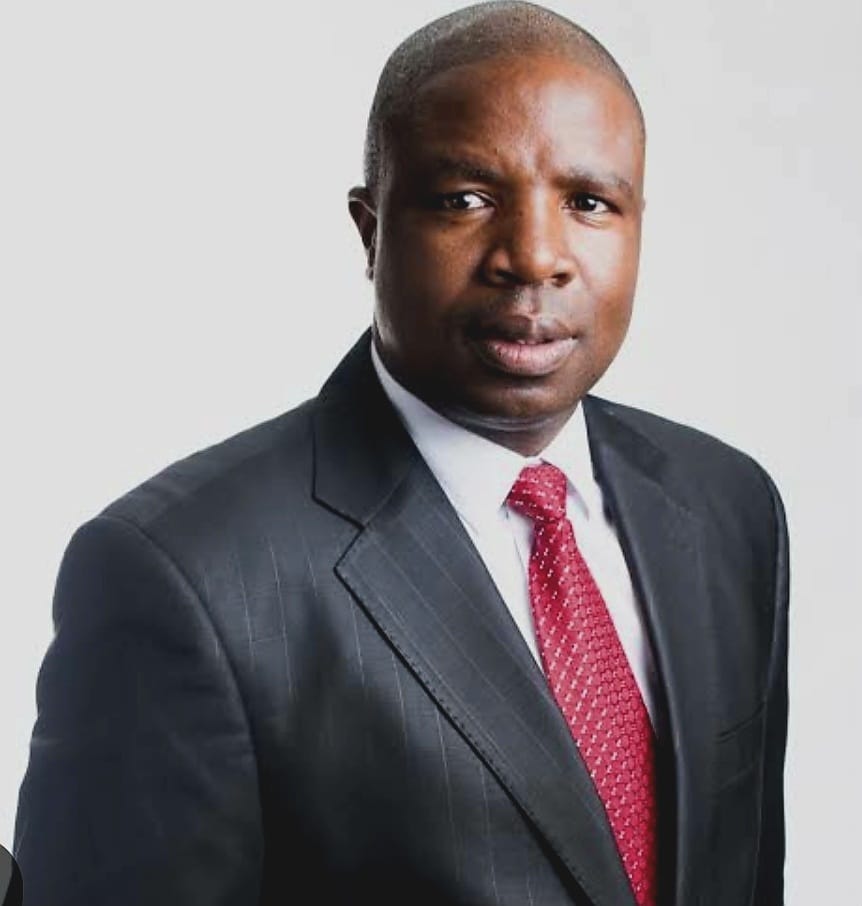
Director of programs, Open Society Foundations
Director of Data and AI, World Bank Group
Head of the Economic Policy and Sustainable Development Division, African Union Commission
President, Somali Development and Reconstruction Bank
President and CEO, African Center for Economic Transformation
Executive director, APCOM
Senior advisor, AVPN
Managing director, Impact, FMO (Dutch Development Bank)
CEO, DEG - Deutsche Investitions- und Entwicklungsgesellschaft mbH
Chief executive officer, SEADRIF Insurance Company
Chair, OECD Development Assistance Committee
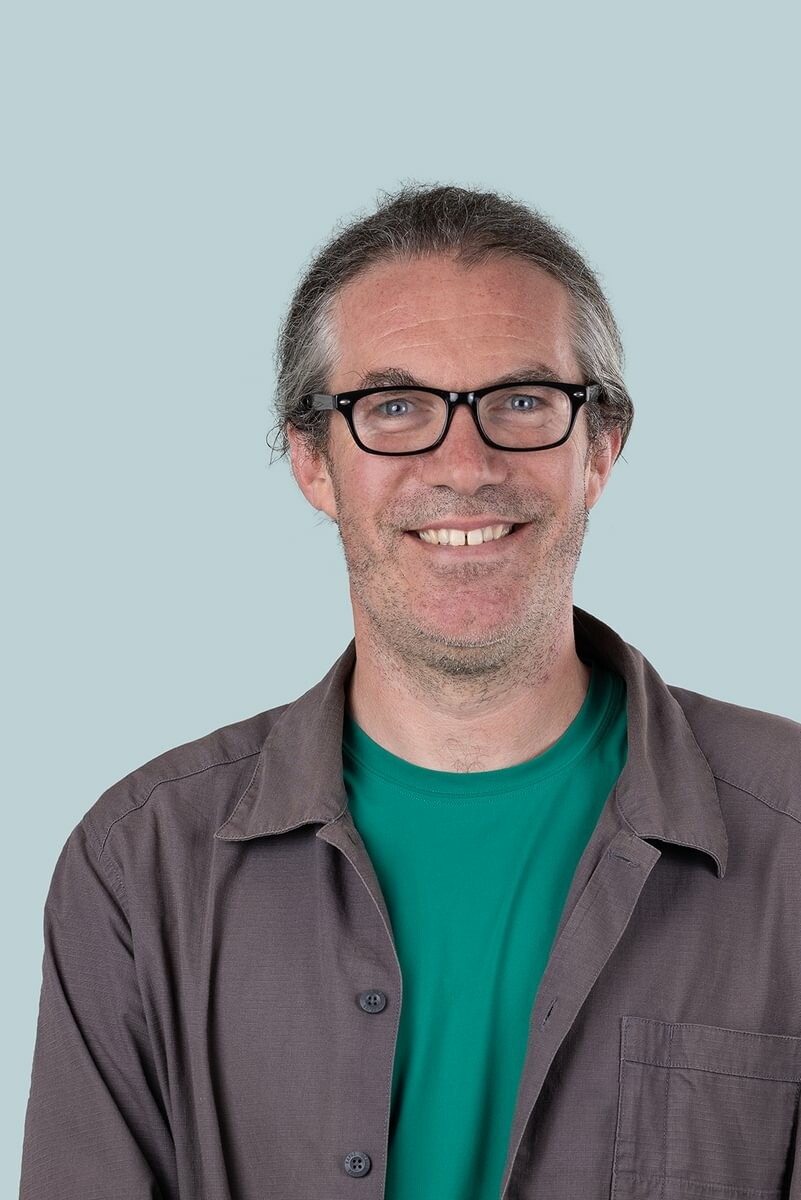
Partner & Global CTO, Public Digital
Managing partner, 500 Global
CEO, AI Safety Asia
CEO, Global Energy Alliance for People and Planet
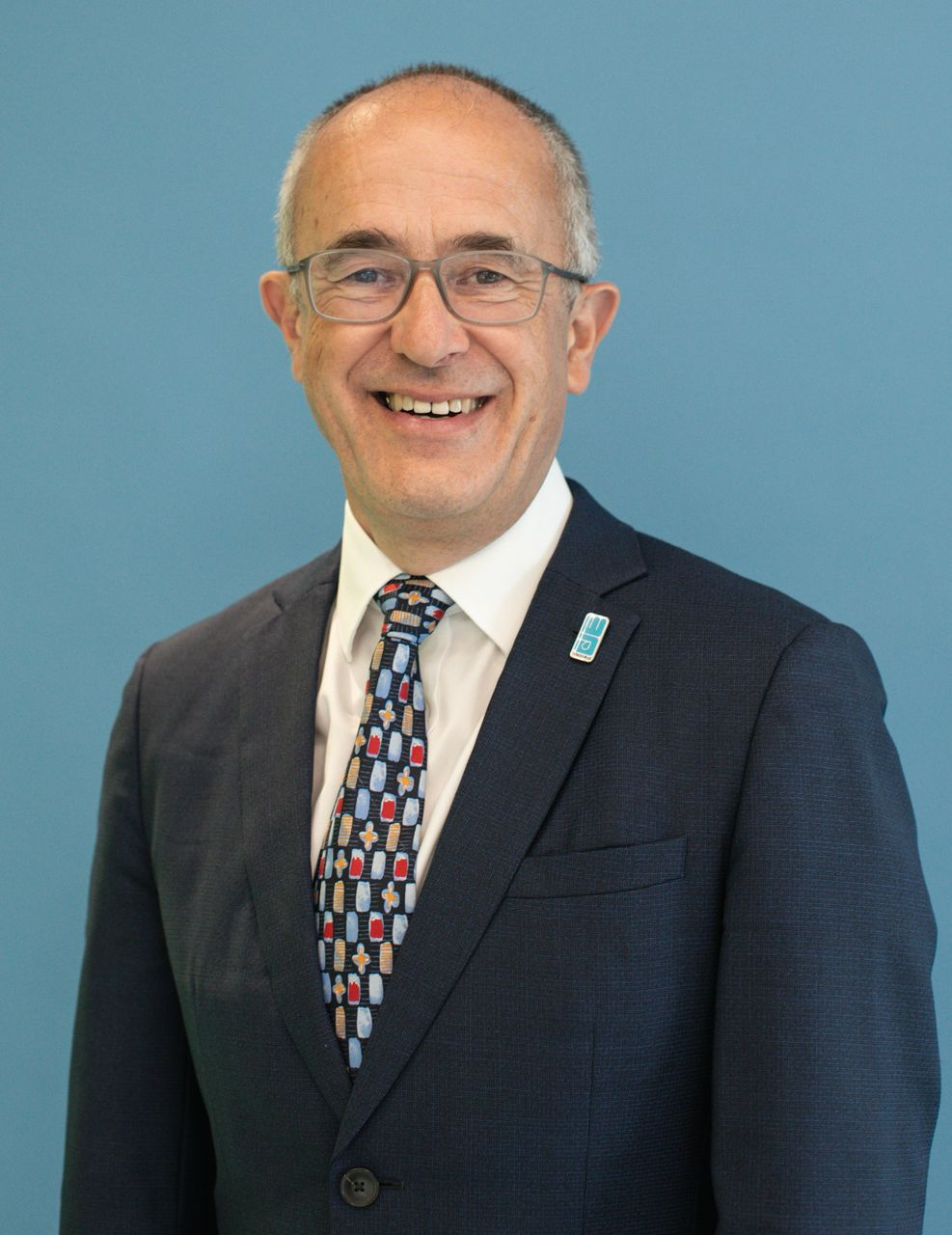
CEO, WaterAid
CEO, Lestari Advisors
Executive vice president, Programs, The Rockefeller Foundation
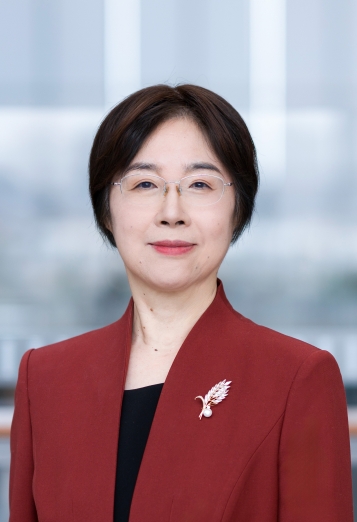
President and chair of the board of directors, Asian Infrastructure Investment Bank
President and CEO, Africa Finance Corporation
Oct. 14–15, 2026
In partnership with the Open Society Foundations
This session, in partnership with the Open Society Foundations, will address the urgent structural disconnect between primary resource extraction and domestic energy security across the Global South. As geopolitical tensions expose the fragility of traditional fossil fuel supply routes, leaders across Africa and ASEAN are compelled to re-evaluate their energy portfolios.
Global South nations rich in critical energy transition minerals (CETMs) — such as copper, nickel, lithium, cobalt, graphite, and rare earth elements — stand at a pivotal crossroads in the global shift toward green technologies. While the countries possess the vital inputs required for battery supply chains, electric vehicles, and renewable infrastructure, host nations historically capture less than 1% of the value generated along global clean energy supply chains. Concurrently, energy vulnerability remains acute across developing regions. In Southeast Asia, nearly 80% of primary energy relies on fossil fuels, with over two-thirds of regional oil and gas trade passing through conflict-vulnerable maritime chokepoints. Without rapid structural diversification, the International Energy Agency projections indicate Southeast Asia's net energy import bill could surge from $80 billion in 2024 to $245 billion by 2035. Similarly, 43 net oil-importing African nations face severe macroeconomic strains from energy market volatility, supply chain disruptions, currency depreciation, and mounting debt-servicing burdens.
This session, in partnership with the Open Society Foundations, addresses the urgent structural disconnect between primary resource extraction and domestic energy security across the Global South. As geopolitical tensions expose the fragility of traditional fossil fuel supply routes, leaders across Africa and ASEAN are compelled to re-evaluate their energy portfolios.
The core challenge lies in dismantling the legacy extractive model where raw minerals are exported for value addition elsewhere, and replacing it with robust regional industrial strategies. Bridging this gap requires aligning critical mineral supply chain governance directly with domestic renewable deployment, ensuring that mineral wealth delivers tangible economic value, high-quality local jobs, and energy resilience in host nations.


AIIB President Zou Jiayi discusses how member countries’ priorities will shape the bank’s next chapter — from climate and resilient infrastructure to closer cooperation with other development banks.
Global Energy Alliance for People and Planet CEO Woochong Um explores how philanthropy, development banks, and governments can work together to expand reliable electricity — and what emerging economies’ energy needs mean for the next development model.
Africa Finance Corporation President and CEO Samaila Zubairu explores how African capital, businesses, and partnerships can turn growing global demand for the continent’s resources into stronger industries, more jobs, and greater economic influence.
How can Asia’s philanthropists and investors turn growing wealth into lasting development gains, and what opportunities, incentives, and partnerships will shape where their money goes?
As some development banks pull back from explicit climate commitments and the politics grow more difficult, how can leaders make the case for investing in climate action? Rachel Kyte explores what this means for countries seeking finance — and how to build support around tangible benefits, from affordable electricity to cleaner air and protection from extreme heat.
How can philanthropy and development finance work together to build local capital markets that bring domestic investors into financing growth — and keep that financing flowing over the long term?
More speaker details coming soon.
With limited resources and competing demands, how can governments and global funders weigh investments in health coverage and preparedness — and what happens to the needs left unfunded?
Join an audience discussion on priorities struggling for attention and investment — from health and climate to gender equality and LGBTQ+ inclusion — and how to advance them in a difficult political environment.
With LGBTQ+ protections still on the books but increasingly unused, can development banks preserve funding and enforce inclusion commitments as other donors retreat?
How can regional development banks expand their role in financing growth and attracting capital as aid declines, and what are the limits of their balance sheets?
How can development banks, catalytic capital, and insurance share risks that deter investment in frontier and fragile economies — and when does public support actually bring private investors in?
Dealmakers unpack what it takes to turn development investment ambitions into actual transactions — from bringing partners together and sharing risk to overcoming obstacles and delivering financial returns and development impact.
As development finance increasingly focuses on getting deals done and mobilizing capital, leaders of the Future of Development Cooperation Coalition explore which purposes and principles should guide investment — and how to navigate competing country priorities, donor interests, and global needs.
Children’s Investment Fund Foundation CEO Kate Hampton explores how philanthropy can use its growing influence to break down silos across health, climate, and education, strengthen country-led systems, and drive lasting development impact.
British International Investment CEO Leslie Maasdorp explores how development finance can rethink risk and financing models to unlock investment, grow businesses, and create jobs across Africa and Asia.
More speaker announcements coming soon.
A nightcap event hosted by Devex and EY
Join Devex leaders, speakers, and friends for drinks, local fare, and conversation as we keep the evening going. By invitation only.
How should aid evolve to help countries withstand shocks? Carsten Staur discusses how the OECD’s Development Assistance Committee is rethinking aid eligibility, vulnerability, and fragility — and what its wider reforms could mean for financing more resilient economies and systems.
A year after the World Bank Group launched AgriConnect, Anup Jagwani joins Devex to examine what it will take to turn its push for greater agribusiness investment into higher farmer incomes and more jobs. Where is financing reaching smallholders, what is holding back private investment, and what are early projects revealing about the promise — and limits — of making agriculture an engine of economic transformation?
Inter-American Development Bank President Ilan Goldfajn explores how Latin America and the Caribbean can build resilience through critical minerals, AI, and private capital — and the bank’s potential role in Venezuela.
In partnership with FinDev Canada
GIZ Managing Director Ingrid-Gabriela Hoven discusses what happens when development commitments meet local realities, how partnerships adapt and what implementers need to make progress.
Join Devex journalists for a live recording of This Week in Global Development, breaking down what’s making news in Bangkok — and what it means for the people and institutions shaping development.
In partnership with the Open Society Foundations
African countries are strengthening their financial institutions, mobilizing their own capital, and coordinating demands for global reform. Yet international progress on debt, concessional finance, and voting power remains slow. Mavis Owusu-Gyamfi discusses what Africa and its partners must deliver next to turn reform into investment, economic transformation, and jobs.
SouthBridge Investments CEO Frannie Léautier explores how African countries can mobilize domestic savings and attract long-term investment on better terms to create jobs and expand opportunity as aid recedes.
An open conversation on what it takes to build effective partnerships across Asia’s diverse markets. Regional leaders from development organizations, foundations, and investors join the stage throughout the discussion, with audience contributions on aligning with local priorities, finding the right partners, and turning shared interests into practical collaboration.
In partnership with Public Digital
Windfall Trust CEO Adrian Brown explores how governments can prepare for AI’s effects on jobs, tax revenues, and economic security — and the policy models that could help countries manage disruption.
More speaker announcements coming soon.
UNOPS Executive Director Jorge Moreira da Silva discusses efforts to protect fertilizer and humanitarian shipments through the Strait of Hormuz, and what that work and development system reforms reveal about the U.N.’s ability to deliver amid geopolitical confrontation.
How can regional risk pools attract private capital to close the disaster protection gap and get financing in place before climate shocks hit?
World Bank Group Director of Data and AI Jonathan Gen Nagao discusses how the Bank is helping developing countries turn AI’s promise into better services, stronger businesses, and more jobs — and move beyond pilots to lasting impact.
How can the development community help countries turn AI’s promise into better services and more jobs — and what role should development finance play in building local capacity, managing risks, and ensuring countries help shape the technologies they adopt?
Rachel Glennerster explores how philanthropy fueled by AI wealth could finance health and climate breakthroughs that markets won’t deliver — by committing to pay for innovations that meet defined goals.
Ahead of the 2026 U.N. Water Conference, His Excellency Abdulla Balalaa joins Devex to discuss how the UAE and Senegal aim to put water on the agenda of finance ministers and investors — and turn global commitments into bankable projects and lasting partnerships.
This conversation explores how stronger utilities, viable projects, and smarter use of public finance can unlock investment in water systems — and where private capital can realistically help close the gap.
Following the World Bank Group’s inaugural Philanthropy Forum, we’ll explore how its philanthropy strategy can turn foundations’ capital, expertise, and networks into stronger development partnerships — and what both sides must change to deliver results at scale.
Wrap up the week with refreshments, light bites, and a chance to connect with peers.
More speaker announcements coming soon.