
Reimagining aid in the digital age:
Building global capabilities to serve local needs
Download the PDF report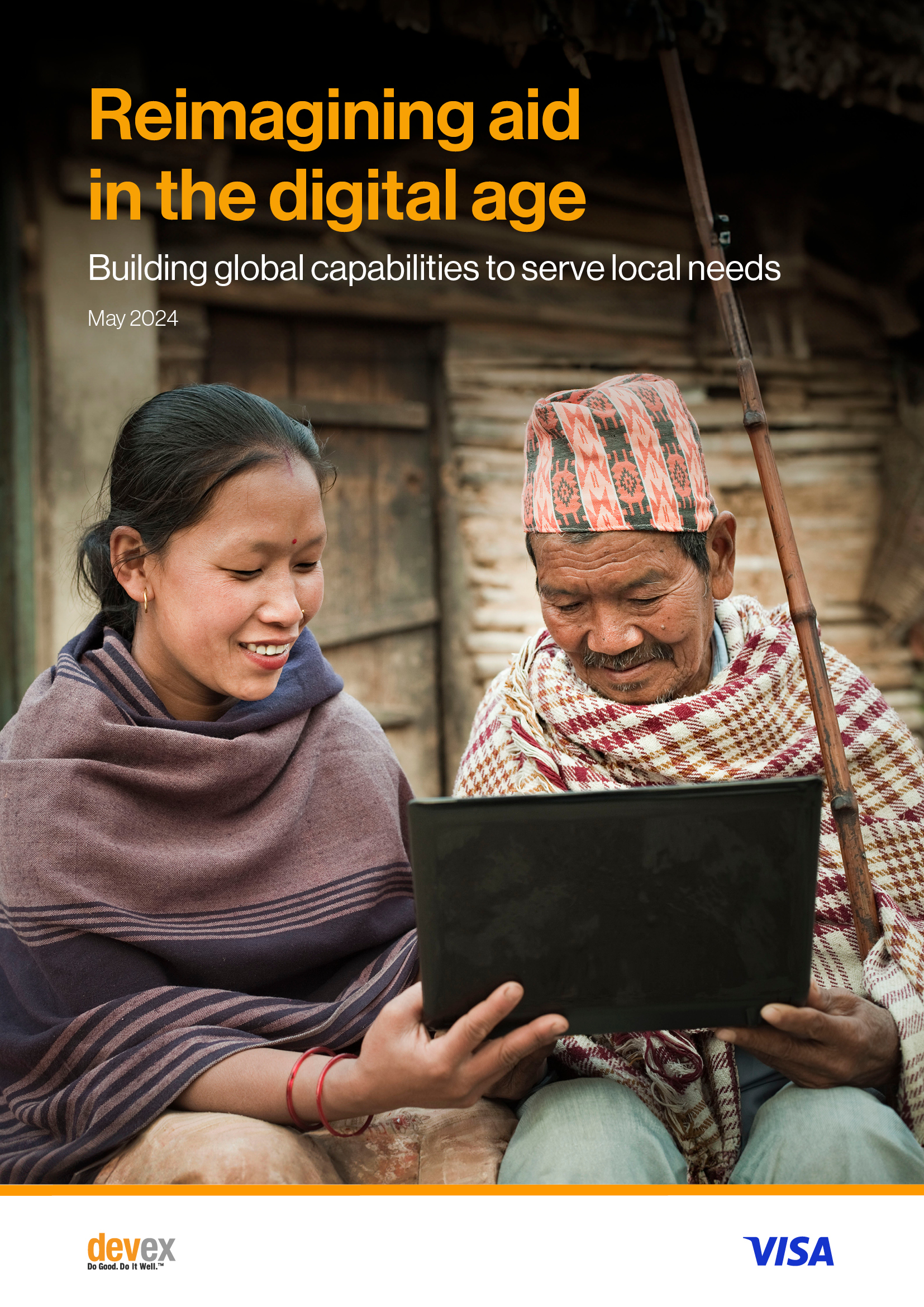
The aid sector is at a critical juncture. Protracted crises, shrinking budgets, and rising needs have exposed the limits of traditional aid models. How can aid evolve to meet today’s challenges?
The Reimagining Aid series explores how digital transformation can modernize aid structures and delivery systems. Drawing on data-driven insights from experts in the field, it examines the practical pathways to make global aid more efficient, inclusive, and adaptable.
Join us as we explore ways to help reshape aid for a more resilient future.
Building global capabilities to serve local needs
Download the PDF report
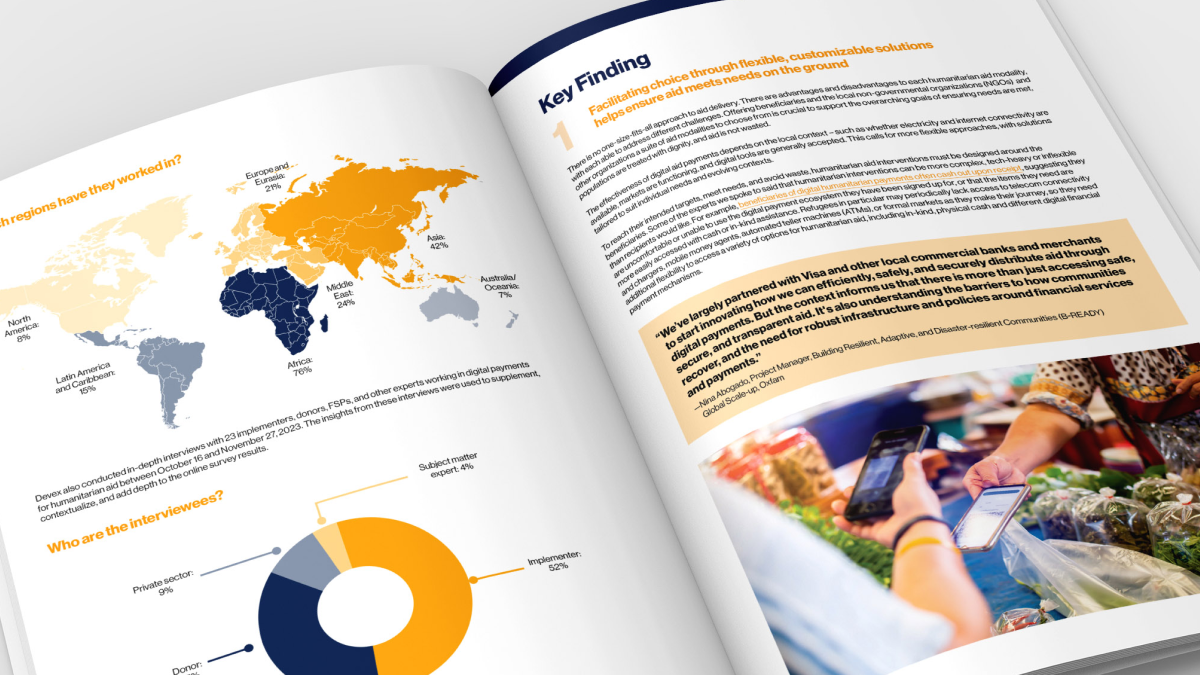
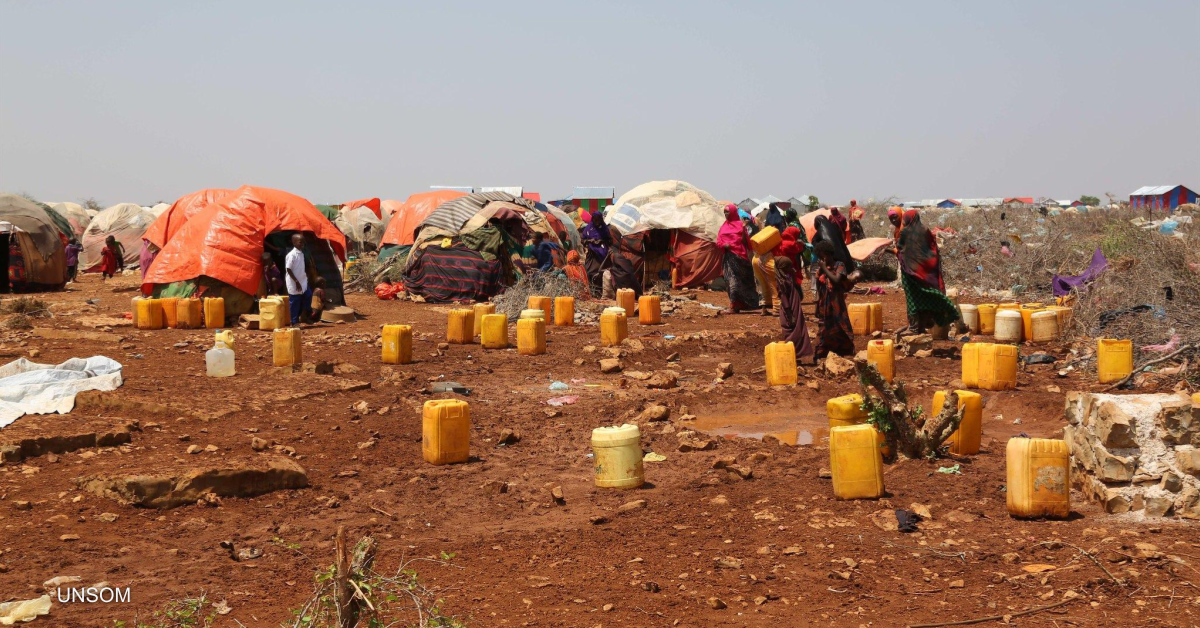
The 2023 Global Humanitarian Assistance Report indicates that every year, over 400 million people need humanitarian assistance globally. As more communities continue to live in unsustainable and vulnerable situations, providing timely and adequate aid has become increasingly critical. But how do we ensure that aid is efficient, impactful, and inclusive at a time when growing budget constraints among donors put aid organizations and their partners under pressure to do even more with less?
Through expert interviews and an online survey of humanitarian aid professionals, this report showcases data-driven insights on the ways in which aid delivery can become more impactful amidst increasing humanitarian crises.
Download the PDF report



Devex is the media platform for the global development community. A social enterprise, we connect and inform over one million development, health, humanitarian, and sustainability professionals through news, business intelligence, and funding & career opportunities so you can do more good for more people.

Visa is a global leader in digital payments technology, facilitating & safeguarding transactions between financial institutions, governments, businesses, and individuals in over 200 countries and territories. We help governments and public sector organizations to operate more effectively and efficiently across global and domestic disbursement programs, revenue collection, public spending, and data insights. With our partner network, we provide solutions for key public sector challenges including economic growth, sustainability and resilience, and economic inclusion. Learn more at Visa.com.