

Escape
the Neglect :
Host
a Screening
As of October 2025, 58 countries have eliminated at least one neglected tropical disease, or NTD
To celebrate this progress, Devex, in partnership with the Gates Foundation, presents Escape the Neglect: Stories from the Frontlines — a three-part documentary series illuminating the urgent global fight against NTDs through the interconnected stories of patients, community health workers, scientists, pharmaceutical partners, and policymakers.
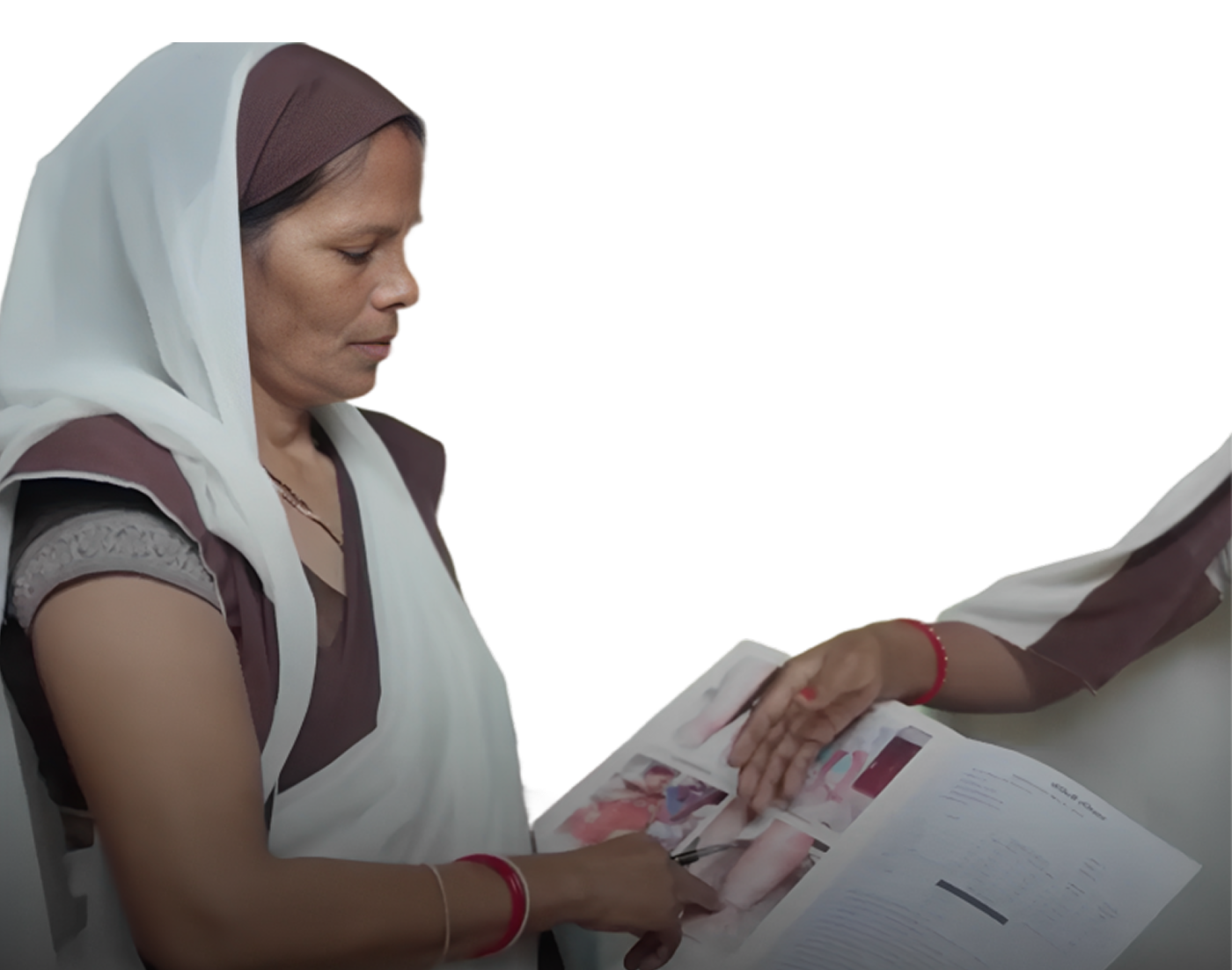
LF poses a risk to over
650 million people in
39 countries, with India
carrying nearly 40% of the
global filariasis burden.
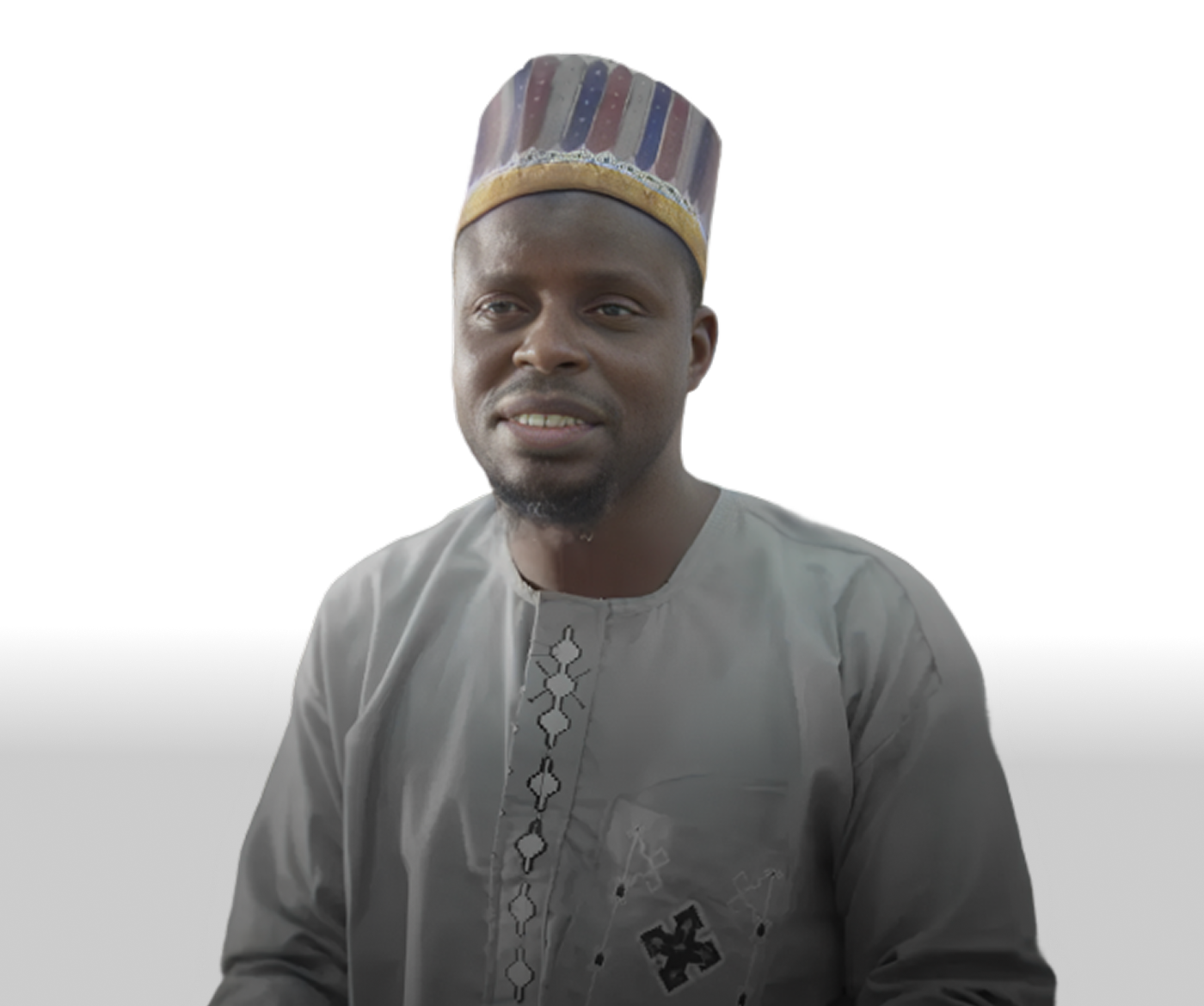
Onchocerciasis, or river
blindness, has shaped
life in parts of West
Africa for generations
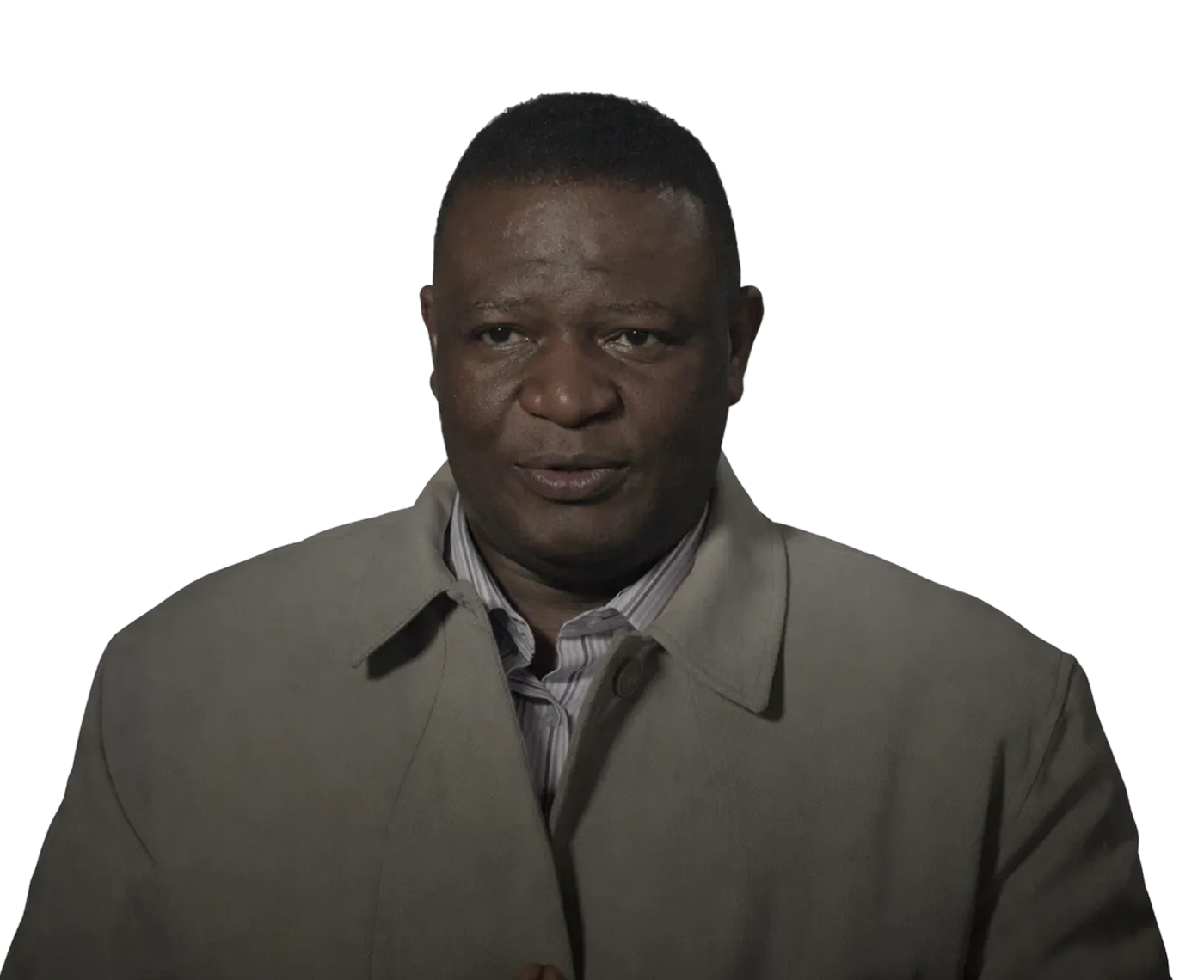
For decades, sleeping
sickness treatment was
nearly as dangerous as
the disease itself.
Fighting filariasis: India’s grassroots approach to eliminating elephantiasis
LF poses a risk to over 650 million people in 39 countries, with India carrying nearly 40% of the global filariasis burden.
Local figures show the disease is prevalent in 348 districts across 20 states and union territories — out of the country’s 28 states and eight union territories — with over 740,000 cases of lymphoedema and hydrocele reported from endemic districts up until 2025.
Rather than letting this burden weigh it down, the government of India has made a bold commitment: Reduce microfilaria prevalence to below 1% in all endemic districts and accelerate progress ahead of the global Sustainable Development Goal of eliminating LF by 2030.
In the first episode of our docuseries, Devex spotlights the country’s remarkable progress toward this goal — and it’s largely thanks to the efforts of Accredited Social Health Activists, whose acronym, ASHA, is a Hindi word that translates to “hope.”
Modern tools, enduring fight: Nigeria’s push to eliminate river blindness
Onchocerciasis, or river blindness, has shaped life in parts of West Africa for generations — but today, a new chapter is unfolding.
Through the voices of pioneering Nigerian scientists, researchers, and community leaders, the episode explores how data-driven surveillance, geospatial mapping, and safer blackfly-trapping innovations are replacing outdated, risky methods — and transforming what’s possible in the final miles of this global effort.
As climate shifts and millions remain at risk, Nigeria’s leadership is helping redefine the future of river blindness elimination across West Africa. This is the story of persistence, partnership, and the power of innovation in the push to end onchocerciasis for good.
This second edition of our docuseries, Devex traces the journey to innovate against the disease, from early mass drug administration and labor-intensive vector control to the cutting-edge tools now driving progress toward elimination.
From risk to remedy:
Fast-tracking the end of sleeping sickness
For decades, sleeping sickness treatment was nearly as dangerous as the disease itself. In the Democratic Republic of Congo — home to the world’s highest burden of gambiense sleeping sickness — patients endured toxic, arsenic-based injections and long hospital stays just to survive.
This short documentary traces the remarkable transformation of gHAT treatment, from deadly IV regimens to fexinidazole, the first all-oral therapy, and the promise of acoziborole — a single-dose cure now on the path to approval. Through the voices of researchers, health workers, and global partners, it shows how collaboration and innovation are reshaping what’s possible for elimination.
Visit Escape the Neglect — a series exploring the extraordinary progress that countries are making in eliminating neglected tropical diseases, or NTDs, and showcasing promising opportunities to build on recent wins. Click here to learn more.
Host a Screening
Stories move people in ways data alone can't. A screening creates space for conversation — about progress, about gaps, and about what it actually takes to eliminate diseases that have been ignored for far too long. Whether you're gathering colleagues, students, partners, or community members, Escape the Neglect helps ground big global health goals in lived experience.
To mark World NTD Day on January 30, or at any point throughout the year, Screening-in-a-Box makes it easy to bring these stories to your community, campus, workplace, or event and help turn awareness into action.

Join the conversation
Follow us on social media for the latest insights and have your say on the fight to eliminate neglected tropical diseases.


Produced by:

In partnership with:

Guided by the belief that every life has equal value, the Gates Foundation works to help all people lead healthy, productive lives. In developing countries, we work with partners to create impactful solutions so that people can take charge of their futures and achieve their full potential. In the United States, we aim to ensure that everyone—especially those with the fewest resources—has access to the opportunities needed to succeed in school and life. Based in Seattle, Washington, the foundation is led by CEO Mark Suzman, under the direction of Bill Gates and our governing board.